Major Depressive Disorder
PTSD
Bipolar
Depression Treatment in San Antonio
Major Depressive Disorder (MDD) is a serious but common mental health condition characterized by persistent low mood, loss of interest in activities once enjoyed, and a range of physical and emotional symptoms that interfere with daily life. It is not a character flaw or a sign of weakness — it results from a combination of genetic, biological, environmental, and psychological factors.
Depression affects nearly 1 in 6 people at some point in their lives and can occur at any age. The good news is that with proper care, the vast majority of people with depression respond well to treatment.
Recognizing the signs
Symptoms must be present for at least two weeks and represent a change from previous functioning. Everyone's experience is different, but common signs include:
Persistent sad, empty, or hopeless mood
Loss of interest or pleasure in hobbies
Changes in appetite or weight
Difficulty sleeping or sleeping too much
Fatigue and little to no energy
Trouble concentrating or making decisions
Feelings of worthlessness or guilt
Thoughts of death or self-harm
How We Can Help
Treatment is tailored to each individual. Most people benefit from a combination of approaches, and our team will work with you to build a plan that fits your life and goals.
A note on safety: If you or someone you know is experiencing thoughts of self-harm or suicide, please reach out immediately. You can call or text 988 (Suicide & Crisis Lifeline) anytime, 24/7.
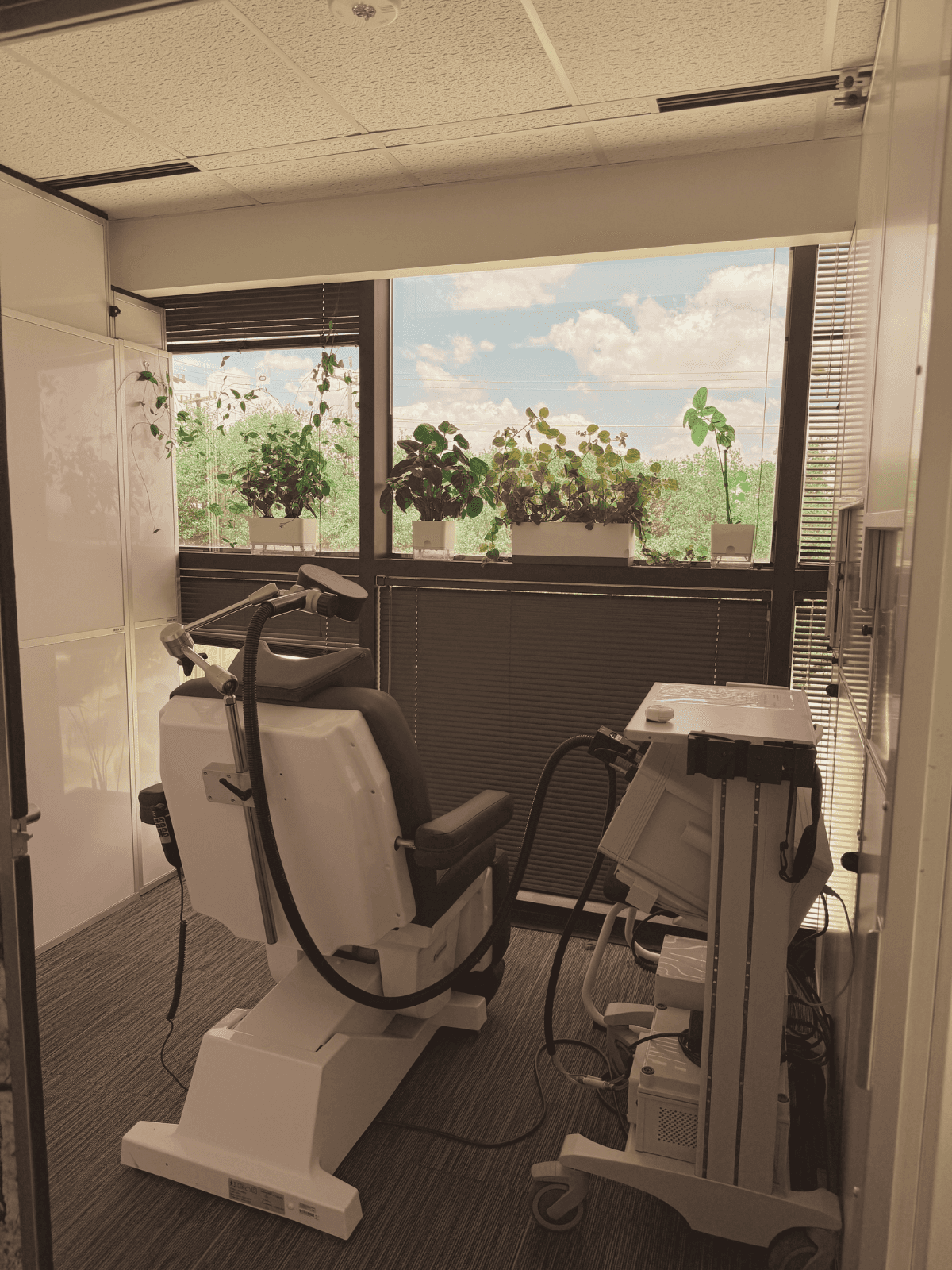
Transcranial Magnetic Stimulation (TMS) Therapy
Non-invasive, drug-free treatment that stimulates the brain to relieve depression and mood disorders

Ketamine Therapy
Rapid-acting injection therapy for treatment-resistant depression, PTSD, and mood disorders

Spravato® (Esketamine) Therapy
The first FDA-approved nasal spray for treatment-resistant depression, offering rapid relief under expert medical supervision.

Telepsychiatry & Virtual Care
Receive expert psychiatric care and medication management from the privacy and comfort of your own home.
Major Depressive Disorder
PTSD
Bipolar
Depression Treatment in San Antonio
Major Depressive Disorder (MDD) is a serious but common mental health condition characterized by persistent low mood, loss of interest in activities once enjoyed, and a range of physical and emotional symptoms that interfere with daily life. It is not a character flaw or a sign of weakness — it results from a combination of genetic, biological, environmental, and psychological factors.
Depression affects nearly 1 in 6 people at some point in their lives and can occur at any age. The good news is that with proper care, the vast majority of people with depression respond well to treatment.
Recognizing the signs
Symptoms must be present for at least two weeks and represent a change from previous functioning. Everyone's experience is different, but common signs include:
Persistent sad, empty, or hopeless mood
Loss of interest or pleasure in hobbies
Loss of interest or pleasure in hobbies
Difficulty sleeping or sleeping too much
Fatigue and little to no energy
Trouble concentrating or making decisions
Feelings of worthlessness or guilt
Thoughts of death or self-harm
How We Can Help
Treatment is tailored to each individual. Most people benefit from a combination of approaches, and our team will work with you to build a plan that fits your life and goals.
A note on safety: If you or someone you know is experiencing thoughts of self-harm or suicide, please reach out immediately. You can call or text 988 (Suicide & Crisis Lifeline) anytime, 24/7.
Transcranial Magnetic Stimulation (TMS) Therapy
Non-invasive, drug-free treatment that stimulates the brain to relieve depression and mood disorders
Ketamine Therapy
Rapid-acting injection therapy for treatment-resistant depression, PTSD, and mood disorders
Spravato® (Esketamine) Therapy
The first FDA-approved nasal spray for treatment-resistant depression, offering rapid relief under expert medical supervision.
Telepsychiatry & Virtual Care
Receive expert psychiatric care and medication management from the privacy and comfort of your own home.
Major Depressive Disorder
PTSD
Bipolar
Depression Treatment in San Antonio
Major Depressive Disorder (MDD) is a serious but common mental health condition characterized by persistent low mood, loss of interest in activities once enjoyed, and a range of physical and emotional symptoms that interfere with daily life. It is not a character flaw or a sign of weakness — it results from a combination of genetic, biological, environmental, and psychological factors.
Depression affects nearly 1 in 6 people at some point in their lives and can occur at any age. The good news is that with proper care, the vast majority of people with depression respond well to treatment.
Recognizing the signs
Symptoms must be present for at least two weeks and represent a change from previous functioning. Everyone's experience is different, but common signs include:
Persistent sad, empty, or hopeless mood
Loss of interest or pleasure in hobbies
Loss of interest or pleasure in hobbies
Difficulty sleeping or sleeping too much
Fatigue and little to no energy
Trouble concentrating or making decisions
Feelings of worthlessness or guilt
Thoughts of death or self-harm
How We Can Help
Treatment is tailored to each individual. Most people benefit from a combination of approaches, and our team will work with you to build a plan that fits your life and goals.
A note on safety: If you or someone you know is experiencing thoughts of self-harm or suicide, please reach out immediately. You can call or text 988 (Suicide & Crisis Lifeline) anytime, 24/7.
Transcranial Magnetic Stimulation (TMS) Therapy
Non-invasive, drug-free treatment that stimulates the brain to relieve depression and mood disorders
Ketamine Therapy
Rapid-acting injection therapy for treatment-resistant depression, PTSD, and mood disorders
Spravato® (Esketamine) Therapy
The first FDA-approved nasal spray for treatment-resistant depression, offering rapid relief under expert medical supervision.
Telepsychiatry & Virtual Care
Receive expert psychiatric care and medication management from the privacy and comfort of your own home.
Ready To take the first step?
Book a consultation
Ready To take the first step?
Book a consultation