Major Depressive Disorder
PTSD
Bipolar
What is it?
Post-Traumatic Stress Disorder develops in some people after experiencing or witnessing a traumatic event such as combat, assault, a serious accident, natural disaster, or the sudden loss of a loved one. While it is normal to feel shaken after trauma, PTSD occurs when the nervous system remains stuck in a state of threat long after the danger has passed.
PTSD affects approximately 1 in 11 people in their lifetime and is more common in women than men. It can emerge immediately after a trauma or appear months or even years later. Contrary to common misconception, PTSD is not limited to veterans, it can affect anyone who has lived through something overwhelming.
Recognizing the signs
PTSD symptoms are grouped into four categories. They must persist for more than a month and cause significant disruption to daily life:
Flashbacks or reliving the traumatic event
Nightmares related to the trauma
Severe emotional distress when reminded of event
Avoiding people/places/ Thoughts tied to trauma
Feeling emotionally numb or detached from others
Persistent negative beliefs of oneself/world
easily startled or feeling constantly on edge
Difficulty sleeping and concentrating
How We Can Help
Effective, evidence-based treatments exist for PTSD. Contact our office to see what treatment options are best for you..
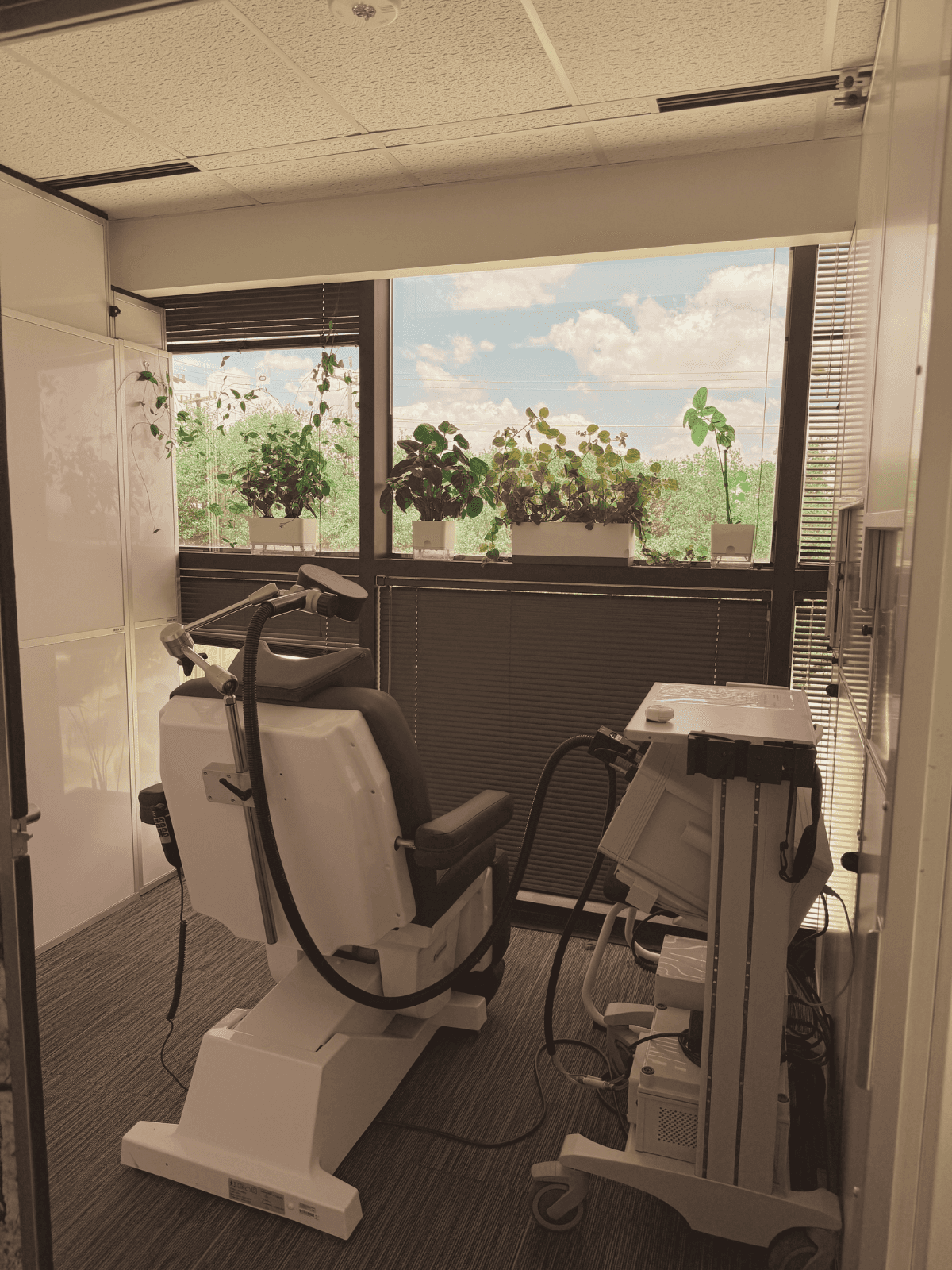
Transcranial Magnetic Stimulation (TMS) Therapy
Non-invasive, drug-free treatment that stimulates the brain to relieve depression and mood disorders

Ketamine Therapy
Rapid-acting injection therapy for treatment-resistant depression, PTSD, and mood disorders

Telepsychiatry & Virtual Care
Receive expert psychiatric care and medication management from the privacy and comfort of your own home.
Major Depressive Disorder
PTSD
Bipolar
What is it?
Post-Traumatic Stress Disorder develops in some people after experiencing or witnessing a traumatic event such as combat, assault, a serious accident, natural disaster, or the sudden loss of a loved one. While it is normal to feel shaken after trauma, PTSD occurs when the nervous system remains stuck in a state of threat long after the danger has passed.
PTSD affects approximately 1 in 11 people in their lifetime and is more common in women than men. It can emerge immediately after a trauma or appear months or even years later. Contrary to common misconception, PTSD is not limited to veterans, it can affect anyone who has lived through something overwhelming.
Recognizing the signs
PTSD symptoms are grouped into four categories. They must persist for more than a month and cause significant disruption to daily life:
Flashbacks Or Reliving The Traumatic Event
Nightmare Related To Trauma
Severe Emotional Distress When Reminded of Event
Avoiding People/Places/Thoughts Tied To Trauma
Feeling Emotionally Numb Or Detached From Others
Persistent Negative Beliefs Of Oneself/World
Easily Startled/Feeling Constantly On Edge
Difficulty Sleeping And Concentration
How We Can Help
Effective, evidence-based treatments exist for PTSD. Contact our office to see what treatment options are best for you..
Transcranial Magnetic Stimulation (TMS) Therapy
Non-invasive, drug-free treatment that stimulates the brain to relieve depression and mood disorders
Ketamine Therapy
Rapid-acting injection therapy for treatment-resistant depression, PTSD, and mood disorders
Telepsychiatry & Virtual Care
Receive expert psychiatric care and medication management from the privacy and comfort of your own home.
Major Depressive Disorder
PTSD
Bipolar
What is it?
Post-Traumatic Stress Disorder develops in some people after experiencing or witnessing a traumatic event such as combat, assault, a serious accident, natural disaster, or the sudden loss of a loved one. While it is normal to feel shaken after trauma, PTSD occurs when the nervous system remains stuck in a state of threat long after the danger has passed.
PTSD affects approximately 1 in 11 people in their lifetime and is more common in women than men. It can emerge immediately after a trauma or appear months or even years later. Contrary to common misconception, PTSD is not limited to veterans, it can affect anyone who has lived through something overwhelming.
Recognizing the signs
PTSD symptoms are grouped into four categories. They must persist for more than a month and cause significant disruption to daily life:
Flashbacks Or Reliving The Traumatic Event
Nightmare Related To Trauma
Severe Emotional Distress When Reminded of Event
Avoiding People/Places/Thoughts Tied To Trauma
Feeling Emotionally Numb Or Detached From Others
Persistent Negative Beliefs Of Oneself/World
Easily Startled/Feeling Constantly On Edge
Difficulty Sleeping And Concentration
How We Can Help
Effective, evidence-based treatments exist for PTSD. Contact our office to see what treatment options are best for you..
Transcranial Magnetic Stimulation (TMS) Therapy
Non-invasive, drug-free treatment that stimulates the brain to relieve depression and mood disorders
Ketamine Therapy
Rapid-acting injection therapy for treatment-resistant depression, PTSD, and mood disorders
Telepsychiatry & Virtual Care
Receive expert psychiatric care and medication management from the privacy and comfort of your own home.
Ready To take the first step?
Book a consultation
Ready To take the first step?
Book a consultation