Breakthrough PTSD Treatment: MRI-Guided Navigated TMS Shows Promising Results for Military and Veterans in San Antonio
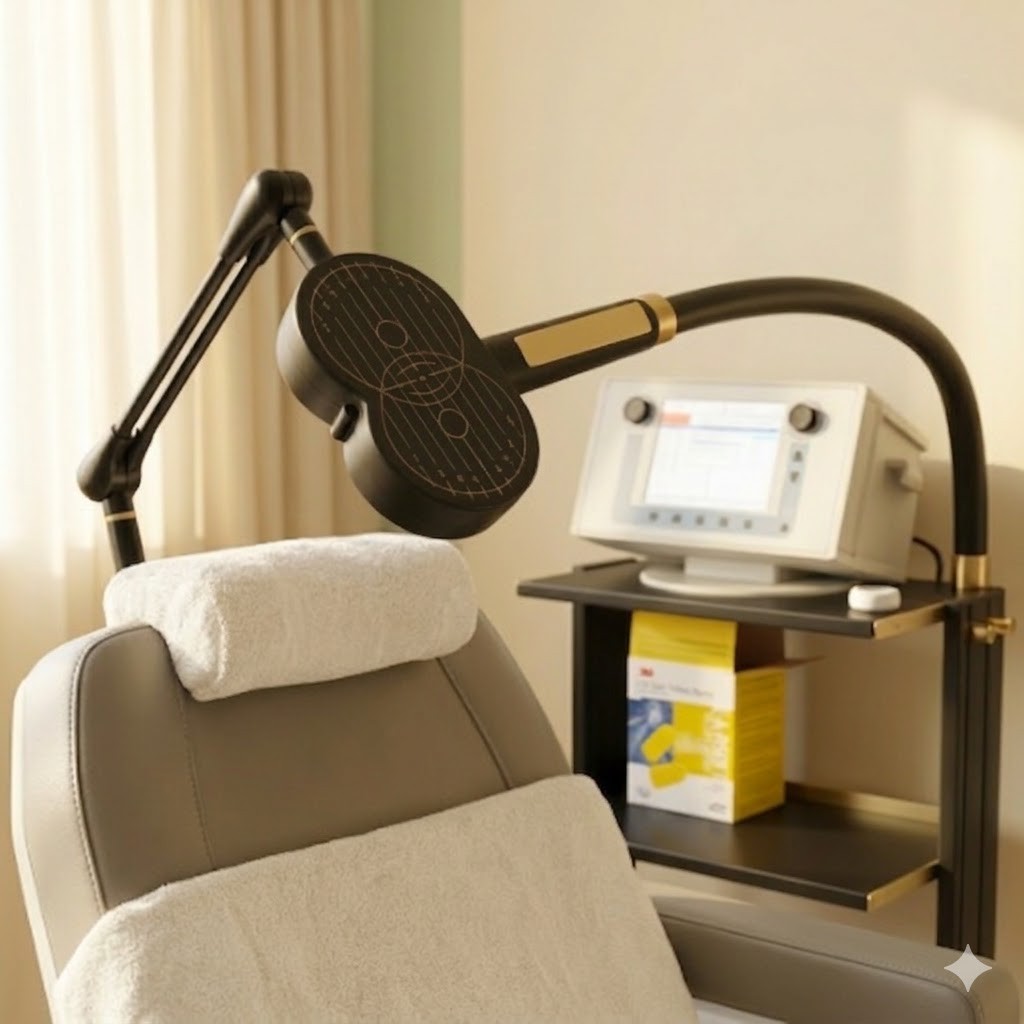
A recent randomized clinical trial led by Peter T. Fox, MD, director of the Research Imaging Institute at UT Health San Antonio, is drawing national attention for its encouraging results in combat-related PTSD. The study evaluated navigated transcranial magnetic stimulation (TMS), a form of TMS that was MRI-targeted and delivered with robotic stereotaxy, as an add-on to intensive residential psychotherapy.
The trial was published in JAMA Network Open and included 119 active-duty and veteran military personnel with moderate to extreme PTSD. All participants received the same residential PTSD program; one group also received active navigated TMS, while the other received sham stimulation.
What Is Navigated TMS?
Transcranial magnetic stimulation is a noninvasive brain stimulation treatment that uses magnetic pulses to target specific brain networks. In this study, the treatment was individually targeted using MRI and delivered by robotic stereotaxy, which helped position the coil precisely. The trial used navigated TMS alongside a 30-day residential program that included manualized prolonged exposure and daily psychotherapeutic augmentations.
Study Results: 85% Showed Clinically Significant Improvement
At 1-month follow-up, 85% of participants who received active navigated TMS achieved clinically significant PTSD symptom reduction, compared with 59% in the sham group. At 3 months, the benefit remained stronger in the active group, with 73% showing reliable improvement compared with 29% in the sham group.
The study also found that symptom improvement was greater for the active group on both PTSD measures at the end of treatment and again during follow-up. Headache was the most common adverse event, and no serious adverse events were reported.
These findings matter because combat PTSD can be difficult to treat, especially in patients who have not fully responded to standard approaches. The authors concluded that navigated TMS was efficacious when added to intensive residential treatment.
Why TMS Matters for Veterans and Active-Duty Military
PTSD remains a major challenge for service members and veterans, and the JAMA paper notes that combat-related PTSD affects a meaningful proportion of U.S. military personnel. The new findings suggest that precision-guided brain stimulation may become an important adjunctive treatment for patients who need more than psychotherapy alone.
Growing National Attention
The study has been reported by Reuters and UT Health San Antonio, with Reuters highlighting the 85% response rate and the precision-targeted approach. UT Health San Antonio also quoted Dr. Fox saying the trial demonstrates that navigated TMS can effectively reduce PTSD symptoms when added to behavioral therapy.
The Future of PTSD Treatment
While more research is still needed, this trial points toward a future in which brain stimulation may be more personalized, more precisely targeted, and better integrated with psychotherapy. The authors and media reports both emphasize that additional studies are underway.
Is TMS Right for You?
If you or someone you love is struggling with PTSD, depression, or another mental health condition, TMS may be worth discussing with a qualified clinician. Our clinic offers TMS therapy as part of a personalized mental health treatment plan.
Contact our office today to schedule a consultation and learn whether TMS may be the right next step for you.
See if you qualify for TMS.